When words reopen wounds: Rahul Gandhi’s ‘traitor’ remark against Ravneet Singh Bittu reflects a Congress pattern
When the Leader of Opposition, Shri Rahul Gandhi, chose to brand a sitting Member of Parliament and a respected Sikh leader, Shri Ravneet Singh Bittu, as a “traitor”, inside the campus of the Indian Parliament, it was not merely a political jibe gone wrong. Such language crosses the boundaries of civility and dignity and strikes at the very identity of a community whose patriotism has been written in blood and sacrifice. For Sikhs, words like “traitor” are not casual insults, they echo a long and painful history of state-backed persecution under Congress rule. This incident is not an aberration. It is a reminder of a pattern. For decades, the Indian National Congress has oscillated between using Sikh identity for electoral arithmetic and vilifying Sikh assertion when it challenged Congress power. Punjab’s history with the Congress party is scarred by repression, betrayal, and delayed justice. The casual slur of today draws its moral lineage from the brutal actions of yesterday. Emergency: The first great betrayal During the Emergency imposed between 1975 and 1977, civil liberties across India were suspended, but Punjab and the Sikh community faced a particularly harsh crackdown. More than 40,000 Sikhs, including prominent Akali leaders and grassroots workers, were imprisoned. Torture, arbitrary detention, and forced sterilisation were not excesses; they were policy tools. Sikh political mobilisation was deliberately broken because it represented a challenge to Congress’s centralisation. The message was unmistakable, dissent from Congress would be crushed, even if it meant trampling on constitutional rights and human dignity. 1984 anti-Sikh pogrom: Organised, not spontaneous What followed Indira Gandhi’s assassination later that year was even darker. The anti-Sikh violence of 1984 was not a spontaneous outburst of grief. It was an organised pogrom. Senior Congress leaders, including Sajjan Kumar, Jagdish Tytler, H K L Bhagat, Kamal Nath, Balwant Khokkar, and Mahender Yadav, were repeatedly named by survivors. Sikh homes were marked. Voter lists were used to identify targets. Mobs were supplied with iron rods, clubs, petrol, and diesel. Over three days, thousands of Sikhs were butchered in the national capital and beyond. Journalist Sanjay Suri later confirmed that Kamal Nath was seen leading a mob at Rakab Ganj Sahib, where two Sikh men were burnt alive. Witnesses recalled that a single signal from Nath either incited or restrained the mob. This was power exercised over life and death, in full public view. State complicity and institutional cover-up Investigations later revealed what victims had long known. The Central Bureau of Investigation found that the violence was backed by both the Congress government and sections of the police. Law enforcement looked away or actively assisted rioters. Transport and logistical support were arranged. Curfews were selectively enforced. Justice was not merely delayed; it was deliberately derailed. Congress governments perfected the art of postponement and obfuscation. Inquiry commissions were set up late, under-resourced, and politically constrained. The Misra Commission, instead of delivering accountability, shielded Congress leaders, destroyed crucial evidence, and effectively exonerated the Rajiv Gandhi government. Each delay ensured that witnesses aged, memories faded, and perpetrators remained protected. Truth acknowledged, justice denied Even leaders within Congress could not entirely suppress the truth. Captain Amarinder Singh, while serving as a Congress Chief Minister, publicly named Sajjan Kumar and others, acknowledging that victims consistently identified Congress leaders as responsible. Yet institutional accountability never followed. It took over three decades for a measure of justice to arrive. Sajjan Kumar was convicted only in 2018, more than 34 years after the crimes. Jagdish Tytler’s trial began as late as 2024. Many accused died without ever facing a courtroom. The Nanavati Commission in 2005 confirmed organised violence and the involvement of Congress leaders but noted that years of delay and evasion had foreclosed meaningful justice. The Delhi High Court went further, describing the 1984 pogrom as a “crime against humanity” and observing that the accused enjoyed political patronage and escaped trial. Yet as an institution, the Congress party has never accepted responsibility. No formal apology. No accountability. Only periodic amnesia. From violence to verbal vilification Against this backdrop, Rahul Gandhi’s slur is not merely offensive; it is revealing. To call a Sikh leader a “traitor” without basis is to trivialise the sacrifices of a community whose Gurus laid down their lives to protect faith and freedom. Sikh valour in India’s armed forces, their role in nation-building, and their unshakeable patriotism stand in stark contrast to Congress’s historical record in Punjab. Words matter because they
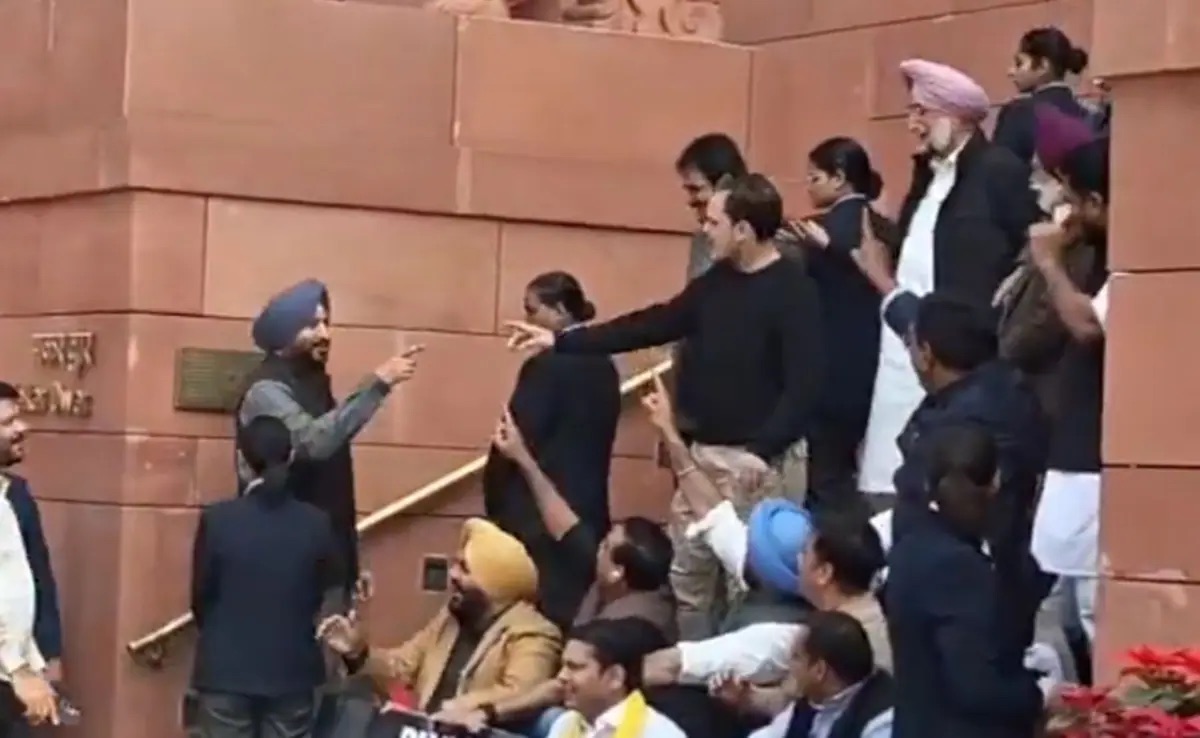

When the Leader of Opposition, Shri Rahul Gandhi, chose to brand a sitting Member of Parliament and a respected Sikh leader, Shri Ravneet Singh Bittu, as a “traitor”, inside the campus of the Indian Parliament, it was not merely a political jibe gone wrong. Such language crosses the boundaries of civility and dignity and strikes at the very identity of a community whose patriotism has been written in blood and sacrifice. For Sikhs, words like “traitor” are not casual insults, they echo a long and painful history of state-backed persecution under Congress rule.
This incident is not an aberration. It is a reminder of a pattern. For decades, the Indian National Congress has oscillated between using Sikh identity for electoral arithmetic and vilifying Sikh assertion when it challenged Congress power. Punjab’s history with the Congress party is scarred by repression, betrayal, and delayed justice. The casual slur of today draws its moral lineage from the brutal actions of yesterday.
Emergency: The first great betrayal
During the Emergency imposed between 1975 and 1977, civil liberties across India were suspended, but Punjab and the Sikh community faced a particularly harsh crackdown. More than 40,000 Sikhs, including prominent Akali leaders and grassroots workers, were imprisoned. Torture, arbitrary detention, and forced sterilisation were not excesses; they were policy tools. Sikh political mobilisation was deliberately broken because it represented a challenge to Congress’s centralisation. The message was unmistakable, dissent from Congress would be crushed, even if it meant trampling on constitutional rights and human dignity.
1984 anti-Sikh pogrom: Organised, not spontaneous
What followed Indira Gandhi’s assassination later that year was even darker. The anti-Sikh violence of 1984 was not a spontaneous outburst of grief. It was an organised pogrom. Senior Congress leaders, including Sajjan Kumar, Jagdish Tytler, H K L Bhagat, Kamal Nath, Balwant Khokkar, and Mahender Yadav, were repeatedly named by survivors. Sikh homes were marked. Voter lists were used to identify targets. Mobs were supplied with iron rods, clubs, petrol, and diesel. Over three days, thousands of Sikhs were butchered in the national capital and beyond.
Journalist Sanjay Suri later confirmed that Kamal Nath was seen leading a mob at Rakab Ganj Sahib, where two Sikh men were burnt alive. Witnesses recalled that a single signal from Nath either incited or restrained the mob. This was power exercised over life and death, in full public view.
State complicity and institutional cover-up
Investigations later revealed what victims had long known. The Central Bureau of Investigation found that the violence was backed by both the Congress government and sections of the police. Law enforcement looked away or actively assisted rioters. Transport and logistical support were arranged. Curfews were selectively enforced. Justice was not merely delayed; it was deliberately derailed.
Congress governments perfected the art of postponement and obfuscation. Inquiry commissions were set up late, under-resourced, and politically constrained. The Misra Commission, instead of delivering accountability, shielded Congress leaders, destroyed crucial evidence, and effectively exonerated the Rajiv Gandhi government. Each delay ensured that witnesses aged, memories faded, and perpetrators remained protected.
Truth acknowledged, justice denied
Even leaders within Congress could not entirely suppress the truth. Captain Amarinder Singh, while serving as a Congress Chief Minister, publicly named Sajjan Kumar and others, acknowledging that victims consistently identified Congress leaders as responsible. Yet institutional accountability never followed.
It took over three decades for a measure of justice to arrive. Sajjan Kumar was convicted only in 2018, more than 34 years after the crimes. Jagdish Tytler’s trial began as late as 2024. Many accused died without ever facing a courtroom. The Nanavati Commission in 2005 confirmed organised violence and the involvement of Congress leaders but noted that years of delay and evasion had foreclosed meaningful justice.
The Delhi High Court went further, describing the 1984 pogrom as a “crime against humanity” and observing that the accused enjoyed political patronage and escaped trial. Yet as an institution, the Congress party has never accepted responsibility. No formal apology. No accountability. Only periodic amnesia.
From violence to verbal vilification
Against this backdrop, Rahul Gandhi’s slur is not merely offensive; it is revealing. To call a Sikh leader a “traitor” without basis is to trivialise the sacrifices of a community whose Gurus laid down their lives to protect faith and freedom. Sikh valour in India’s armed forces, their role in nation-building, and their unshakeable patriotism stand in stark contrast to Congress’s historical record in Punjab.
Words matter because they carry memory. For Sikhs, Congress’s words have too often preceded violence, and its silence has followed injustice. The remark highlighted in the image is thus not an isolated lapse. It is part of a continuum that stretches from the Emergency to the streets of 1984 to the corridors of delayed justice.
A call for accountability, not amnesia
India’s democracy demands that political debate be fierce but fair. It also demands that parties confront their past honestly. The Bharatiya Janata Party believes that reconciliation begins with truth, accountability, and respect. Congress, by contrast, continues to evade institutional responsibility while allowing its leaders to demean communities it once brutalised.
Punjab and the Sikh community do not seek privilege. They seek dignity and justice. Calling a Sikh a “traitor” is not just an insult to one individual; it is an affront to a community that has repeatedly proven its loyalty to the nation, even when the nation failed it. Until Congress acknowledges its historical sins and reforms its political culture, such incidents will continue to reopen wounds that have never truly healed.