Washington Post publishes leaked audio clip showing US diplomats wanting to be friends with Bangladesh Jamaat-e-Islami: Read how US is warming up to perpetrators of genocide
Ahead of the federal elections in Bangladesh, it has come to light that US diplomats are actively engaging with the radical Islamist political party, Bangladesh Jamaat-e-Islami. The revelations were made by The Washington Post in a report (archive) published on Thursday (22nd January). The American newspaper had also shared a leaked audio clip of a closed-door media interaction between a US diplomat and some female Bangladeshi journalists, which occurred on 1st December last year at the US embassy in Dhaka. According to the report, the United States is warming up to Jamaat-e-Islami in anticipation of the latter’s victory in Bangladesh’s upcoming federal election. In the audio recording, the unnamed US diplomat could be heard conceding that Bangladesh has ‘shifted Islamic’ and that it was in the best interests of the US to be friends with the radical Islamist party. “We want them to be our friends,” he was heard saying in the leaked audio clip that has now gone viral on social media. The diplomat also downplayed the threat posed by Jamaat-e-Islami to Bangladeshi society. “I simply do not believe that Jamaat can impose sharia,” he claimed to justify the renewed interests of the USinh in the party designed to come to power. In the audio recording, the unnamed US diplomat conceded that the trial against former Prime Minister Sheikh Hasina was not free and fair. He, however, lauded her conviction by a kangaroo court of Bangladesh and dubbed the move as ‘political genius’ and ‘impressive.’ The Washington Post has leaked a private conversation between US diplomats and Jamaat-leaning journalists.The United States does not consider Sheikh Hasina’s trial to be correct or acceptable. Yet, despite this, the US is pleased with the verdict delivered by Yunus. The US is… pic.twitter.com/xVownNvWhj— Redowan Ibne Saiful (@Redowanshakil) January 22, 2026 In true American fashion, as the judge, jury, and executioner of international affairs, the US diplomat declared Hasina ‘guilty’ during the closed-door meeting. When the Washington Post sought a response from the US embassy spokesperson in Dhaka, Monica Shie, she claimed, “The United States does not favour one political party over another and plans to work with whichever government is elected by the Bangladeshi people.” This is, however, not true. In November 2023, OpIndia had reported how the United States government, its agencies and the embedded media were orchestrating a ‘regime change operation’ in Bangladesh to topple Prime Minister Sheikh Hasina. Attempts were made to distort the public perception of the Awami League leader and present her as an ‘autocratic leader.’ The US government interfered in the 2024 election process of Bangladesh under the pretext of ‘saving democracy’ and conducting ‘free and fair elections’. Despite its all-out efforts, Sheikh Hasina returned to power with a strong mandate. However, the US deep State soon began working on its nefarious agenda. 6 months later, Hasina was removed as Prime Minister in a carefully orchestrated regime change operation. The task to pacify the Islamist forces and work as an asset to the US was given to none other than Muhammad Yunus. Operation Searchlight, 1971 Bangladesh Liberation War and the role of Jamaat-e-Islami In the General elections held in December 1970, Sheikh Mujibur Rahman of the Awami League secured a huge majority (167 seats) in the provincial legislature in East Pakistan. With constant interference in the affairs of East Pakistan by its Islamic counterpart, Rahman had begun demanding greater regional autonomy. This was just within 13 years of the Partition of the Indian subcontinent, when Muslims sought a separate country of their own. Although united by the common Faith, the resentment between West and East Pakistan towards each other continued to grow. Zulfikar Ali Bhutto of the Pakistan People’s Party (PPP), who won the most seats in West Pakistan in 1970 elections, was opposed to the demands of Rahman. He had threatened to boycott the Assembld sought the dissolution of the provincial legislature in East Pakistan if the PPP was not included in the government. Miffed over the denial of power and autonomy to East Pakistan, Sheikh Mujibur Rahman called civil disobedience movement on March 7, 1971. Bhutto feared civil war, and President Yahya Khan, therefore, declared martial law and ordered the arrest of Rahman and other leaders. In order to contain the civil and political unrest, the Pakistan army launched Operation Searchlight on March 26, 1971. Rahman, disillusioned by the high-handedness of West Pakistan, had already called for independence from West Pakistan. The Pakistani soldiers launched their attack on the Bengali population in Rajararbagh and the Peelkhana area. They put Mujibur Rahman behind bars and ambushed theUniversityversity, resulting in the death of 9 teachers and 200 students in Iqbal Hal. Similarly, the Pakistan
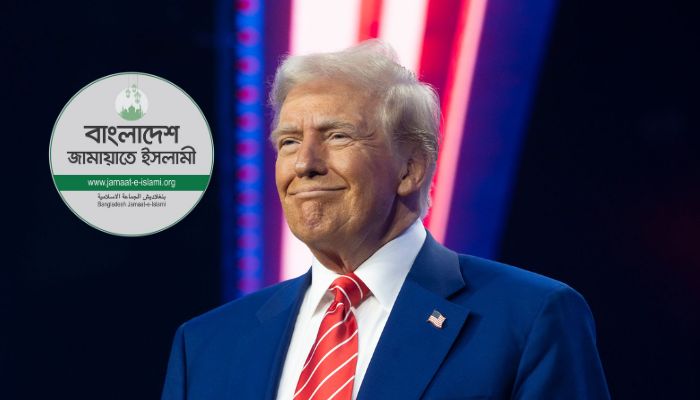

Ahead of the federal elections in Bangladesh, it has come to light that US diplomats are actively engaging with the radical Islamist political party, Bangladesh Jamaat-e-Islami.
The revelations were made by The Washington Post in a report (archive) published on Thursday (22nd January). The American newspaper had also shared a leaked audio clip of a closed-door media interaction between a US diplomat and some female Bangladeshi journalists, which occurred on 1st December last year at the US embassy in Dhaka.
According to the report, the United States is warming up to Jamaat-e-Islami in anticipation of the latter’s victory in Bangladesh’s upcoming federal election. In the audio recording, the unnamed US diplomat could be heard conceding that Bangladesh has ‘shifted Islamic’ and that it was in the best interests of the US to be friends with the radical Islamist party.
“We want them to be our friends,” he was heard saying in the leaked audio clip that has now gone viral on social media. The diplomat also downplayed the threat posed by Jamaat-e-Islami to Bangladeshi society. “I simply do not believe that Jamaat can impose sharia,” he claimed to justify the renewed interests of the USinh in the party designed to come to power.
In the audio recording, the unnamed US diplomat conceded that the trial against former Prime Minister Sheikh Hasina was not free and fair. He, however, lauded her conviction by a kangaroo court of Bangladesh and dubbed the move as ‘political genius’ and ‘impressive.’
The Washington Post has leaked a private conversation between US diplomats and Jamaat-leaning journalists.
— Redowan Ibne Saiful (@Redowanshakil) January 22, 2026
The United States does not consider Sheikh Hasina’s trial to be correct or acceptable. Yet, despite this, the US is pleased with the verdict delivered by Yunus. The US is… pic.twitter.com/xVownNvWhj
In true American fashion, as the judge, jury, and executioner of international affairs, the US diplomat declared Hasina ‘guilty’ during the closed-door meeting.
When the Washington Post sought a response from the US embassy spokesperson in Dhaka, Monica Shie, she claimed, “The United States does not favour one political party over another and plans to work with whichever government is elected by the Bangladeshi people.”
This is, however, not true. In November 2023, OpIndia had reported how the United States government, its agencies and the embedded media were orchestrating a ‘regime change operation’ in Bangladesh to topple Prime Minister Sheikh Hasina.
Attempts were made to distort the public perception of the Awami League leader and present her as an ‘autocratic leader.’ The US government interfered in the 2024 election process of Bangladesh under the pretext of ‘saving democracy’ and conducting ‘free and fair elections’.
Despite its all-out efforts, Sheikh Hasina returned to power with a strong mandate. However, the US deep State soon began working on its nefarious agenda.
6 months later, Hasina was removed as Prime Minister in a carefully orchestrated regime change operation. The task to pacify the Islamist forces and work as an asset to the US was given to none other than Muhammad Yunus.
Operation Searchlight, 1971 Bangladesh Liberation War and the role of Jamaat-e-Islami
In the General elections held in December 1970, Sheikh Mujibur Rahman of the Awami League secured a huge majority (167 seats) in the provincial legislature in East Pakistan.
With constant interference in the affairs of East Pakistan by its Islamic counterpart, Rahman had begun demanding greater regional autonomy.
This was just within 13 years of the Partition of the Indian subcontinent, when Muslims sought a separate country of their own.
Although united by the common Faith, the resentment between West and East Pakistan towards each other continued to grow.
Zulfikar Ali Bhutto of the Pakistan People’s Party (PPP), who won the most seats in West Pakistan in 1970 elections, was opposed to the demands of Rahman. He had threatened to boycott the Assembld sought the dissolution of the provincial legislature in East Pakistan if the PPP was not included in the government.
Miffed over the denial of power and autonomy to East Pakistan, Sheikh Mujibur Rahman called civil disobedience movement on March 7, 1971. Bhutto feared civil war, and President Yahya Khan, therefore, declared martial law and ordered the arrest of Rahman and other leaders.
In order to contain the civil and political unrest, the Pakistan army launched Operation Searchlight on March 26, 1971. Rahman, disillusioned by the high-handedness of West Pakistan, had already called for independence from West Pakistan.
The Pakistani soldiers launched their attack on the Bengali population in Rajararbagh and the Peelkhana area. They put Mujibur Rahman behind bars and ambushed theUniversityversity, resulting in the death of 9 teachers and 200 students in Iqbal Hal.
Similarly, the Pakistan army continued with its barbaric attacks on civilians in Old Dhaka, Tejgaon, Indira Road, Mirpur, Kalabagan and other places.
On the same night, several people in Chittagong were shot dead by the army personnel. National newspapers, including Daily Ittefaq, the Daily Sangbad,ily Sangbad, were shut down, and their offices were set ablaze, resulting in the death of several media personnel. Mass graves were dug out and hastily bulldozed.
An estimated 700 people were burnt to death in Dhaka. Similarly, they set fire to the houses of slum dwellers, fired bullets at those running away to save their lives, razed a Kali Mandir and also destroyed the Central Shaheed Minar.
It is believed that around 10,000-35,000 Bengalis were killed by the Pakistan army under the Operation Searchlight, while the death toll increased to over 3 lacs in the months to follow.
“Thanks to God that Pakistan could have been saved,” Bhutto had famously remarked.
The genocide against the Bengali population intensified. In the months to follow, around 4 lac Bengali women were raped by the Pakistan army, with a majority of the victims being Hindus.
All these atrocities and crimes against humanity, committed by the Pakis,tani Army were made possible by members of Jamaat-e-Islami, which operated 3 armed outfits named ‘Al Badr’, ‘Al Shams’ and ‘Razakars’.
The situation worsened, forcing neighbouring India to step in to prevent the further continuation of genocide. In 14 days, Pakistani forces under AK Niazi signed the Instrument of Surrender, and thu,s a new nation of Bangladesh was born on 16th December 1971.
The International Crimes Tribunal (Bangladesh), established in 2010, found 10 extremists associated with Jamaat-e-Islami ‘complicit’ in the 1971 genocide.
These include
- Abdul Kader Mullah (executed in December 2013)
- Ghulam Azam
- Muhammad Kamaruzzaman (executed in April 2015)
- Delwar Hossain Sayeedi
- Ali Ahsan Mohammad Mujahid (executed in November 2015)
- Abul Kalam Azad
- Motiur Rahman Nizami (executed in May 2016)
- Mir Quasem Ali (executed in September 2016)
- Abul Kalam Muhammad Yusuf
- Chowdhury Mueen-Uddin
Ghulam Azam and Abul KaMuhammadma d Yusuf di, ed in 2014, while Delwar Hossain Sayeedi expired in 2023 of natural causes. Abul Kalam Azad remains absconding to date. Chowdhury Mueen-Uddin is now a British citizen and has not been arrested.
5 extremists associated with ‘Jamaat-e-Islami’ Bangladesh were hanged to death between December 2013 and September 2016.
Targeted violence against Hindus by Jamaat-e-Islami after the 1971 genocide
On 6th December 1992, a strong mob of 5000 Muslim men, armed with bamboo sticks and rods, tried to storm a cricket match played between India and Bangladesh at the Dhaka National Stadium.

Their attempts were foiled by the police, who fired tear gas and rubber bullets at the frenzied mob. As per a report by United Press International, a mob of 1000 Muslim men barged into the Hindu Shiva temple in the Thatari Bazar district of Dhaka and razed it to the ground.
Islamists also attacked a Hindu temple in the Narinda district and gravely injured an 88-year-old Hindu priest in a bomb attack. The Muslim mob also tried to break into the Dhakeswari Mandir in Dhaka.
They also looted shops belonging to the Hindus and smashed the cars of the minority community with sticks and iron bars.

According to the Human Rights Congress for Bangladesh Minorities (HRCBM), the pogrom was executed by the radical Islamist outfit Jamaat-e-Islami, which was an alliance partner of the ruling Bangladesh Nationalist Party (BNP).
The riots were not spontaneous but rather well-planned. An estimated 2400 Hindu women were gang raped, and 3500 temples and religious establishments were destroyed by frenzied Muslim mobs.
Over 28000 homes and 2500 commercial buildings belonging to the Hindu community were razed. An estimated 700 Hindus were killed in the carnage. The numbers were conservative, as acknowledged by several prominent politicians at that time.

After Jamaat-e-Islami won the 2001 Bangladesh election alongside its ally BNP, unspeakable atrocities were committed on the Hindu community. Many Bangladeshi Hindus were forced to flee the country after the planned carnage.
“Hindu leaders said there were a series of attacks against them, including murder, looting and rap,e which began as the results were announced. They said Islamist parties and the BNP targeted them because they supported the rival Awami League political party in those elections,” a report by BBC stated.

In February 2013, Jamaat-e-Islami and its student wing ‘Islami Chhatra Shibir’ attacked over 50 Hindu temples and targeted more than 1,500 houses and businesses of the persecuted minority community. They carried out arson in several districts of Bangladesh, such as Gaibandha, Chittagong, Rangpur, Sylhet, Bogra, etc.
A year later, in February 2014, BNP members and Jamaat-e-Islami extremists launched 160 attacks on the Hindu community.

On 12th February this year, the Office of the United Nations High Commissioner for Human Rights (OHCHR) published a 104-page report [pdf] detailing atrocities committed against vulnerable Hindu minorities in Bangladesh.
The report is titled ‘Human Rights Violations and Abuses related to the Protests of July and August 2024 in Bangladesh.’
It found that a majority of attacks on the Hindu community took place during ‘victory processions’ of individuals, celebrating the ouster of former Bangladeshi Prime Minister Sheikh Hasina.
OHCHR noted that the attackers were local supporters of the BNP and Jamaat-e-Islami. Page 62 of the report stated –
“Some local members and supporters of the BNP and Jamaat-e-Islami opposition parties bear responsibility for human rights abuses committed during revenge attacks, including against members of the Hindu community
In September 2024, human rights activist and exiled Bangladeshi blogger Asad Noor revealed that Hindus were being forced to join the ‘Jamaat-e-Islami Bangladesh.’
Noor informed that members of the radical Islamist outfit visited Kalmati Ward No.2 in Khuniagach Union of Lalmonirhat Sadar Upazila. They preyed upon 27 poor, destitute Hindus and forced them to join ‘Jamaat-e-Islami.’
According to Asad Noor, the radicals threatened to kill the victims and remove them from the nation. Forced by circumstances, the impoverished Hindus had to comply with their diktat. The Jamaat-e-Islami members coerced them into signing some forms and gave them Islamic books to brainwash them into changing their Hindu Faith.
Hafiz Mohammed Shah Alam, the Assistant Secretary of the Jamaat-e-Islami (Lalmonirhat Branch), was present during the forced induction of Hindus into the radical outfit.
Conclusion
As the world’s oldest democracy, the United States takes a keen interest in the smooth functioning of other nations but often topples democratically elected governments to bring regimes to power that are sympathetic to its cause.
The regime change operation in August 2024 in Bangladesh and the subsequent empowerment of radical Islamists is an example of one such abuse of power.
While the US claims to be the ‘land of the free’, the nation is ever happy to uplift regimes and groups that curtail the freedom of women, religious and ethnic minorities, as long as it serves its sinister purpose.
Nothing else explains why the United States is warming up to Bangladesh Jamaat-e-Islami, which has a proven track record of oppressing women, committing genocide and perpetrating atrocities on Hindus and other minorities.
The potential rise of this radical Islamist outfit to the power corridors of Bangladesh is a blow to the harmony and societal fabric of the nation that believes in the essence of democracy. This is besides threats of imminent regional instability, terrorism and innumerable security challenges.