Bangladesh cricket crisis explained: Why cricketers are boycotting the BPL and demanding the exit of BCB director M Nazmul Islam
Bangladesh cricket is staring at one of its gravest institutional crises as a player-led boycott threatens to paralyse domestic competitions, including the Bangladesh Premier League (BPL) and the Dhaka Cricket League. What began as a controversial remark by a senior board official has now snowballed into a confrontation between cricketers and administrators, exposing deep structural and governance fault lines within the Bangladesh Cricket Board (BCB). What triggered the crisis? The immediate flashpoint was a series of “objectionable comments” made by BCB director M Nazmul Islam. Speaking publicly, Islam claimed that Bangladesh players would not be paid if the BCB decided to pull out of the T20 World Cup in India. He went further, alleging that players return “crores and crores of taka” that the board spends on them, a remark widely seen as demeaning and misleading. The controversy escalated sharply when Islam branded former Bangladesh captain Tamim Iqbal an “Indian agent” for advising against withdrawing from the T20 World Cup. The comment was viewed by players as not only defamatory but also an attempt to politicise cricket and question the patriotism of senior cricketers. How did players respond? The Cricketers’ Welfare Association of Bangladesh (CWAB) issued a call for a boycott of all forms of cricket unless Nazmul Islam resigns from the BCB board. The demand is unequivocal: stripping him of committee roles is not acceptable; only his complete exit from the board will suffice. CWAB president Mohammad Mithun, along with national Test captain Najmul Hossain Shanto and senior player Nurul Hasan Sohan, emerged as the public face of the players’ stand. Their position reflects broad unity within the dressing rooms, with reports suggesting that players across franchises are aligned. What has the BCB done so far? In an attempt to contain the fallout, the BCB issued a show-cause notice to Nazmul Islam, asking him to submit a written explanation within 48 hours. The board said formal disciplinary proceedings had been initiated and that the matter would be handled “through due process.” Behind the scenes, the BCB also held an emergency late-night meeting with CWAB representatives at a Dhaka hotel. Director Iftekhar Rahman Mithu represented the board during talks. As a compromise, the BCB reportedly offered to remove Islam as chairman of its Finance Committee. That proposal was immediately rejected by the players. Why is the standoff so hard to resolve? The crisis has now entered a legal and constitutional impasse. According to BCB officials, the board’s constitution makes it extremely difficult to remove a director unless the individual voluntarily resigns. In other words, even if the board leadership wants Nazmul Islam out, it lacks a straightforward mechanism to force his removal. This constitutional constraint has left the BCB with limited options: pursue a slow disciplinary process, negotiate a voluntary resignation, or risk prolonged disruption to domestic cricket. What is the impact on domestic cricket? The fallout is already visible on the ground. Bangladesh Premier League matches have been delayed, with teams failing to arrive at venues even close to the scheduled start times. A Chattogram Royals official admitted that the situation is “extremely complex” and that match uncertainty remains high. Players from franchises such as Noakhali Express have reportedly stayed back at their hotels, awaiting communication from the BCB. Sparse crowds and deserted stadiums have underlined the seriousness of the boycott. Match officials, too, have been left in the dark. “We are standing in the middle of the ground. We don’t know what’s happening,” said match referee Shipar Ahmed, reflecting the administrative paralysis. The Dhaka Cricket League has also been affected, with matches failing to start on schedule. What happens next? CWAB leaders are expected to formally present their list of demands at a press conference, with Nazmul Islam’s immediate resignation at the top. Unless that demand is met, players have indicated they are prepared to continue the boycott indefinitely. For the BCB, the crisis has become a test of governance credibility. How it navigates the constitutional limitations, player trust deficit, and public scrutiny will shape not just the immediate fate of the BPL, but the long-term relationship between Bangladesh’s cricketers and its administrators. At stake is not merely a domestic tournament, but the institutional authority of the BCB itself.

Bangladesh cricket is staring at one of its gravest institutional crises as a player-led boycott threatens to paralyse domestic competitions, including the Bangladesh Premier League (BPL) and the Dhaka Cricket League. What began as a controversial remark by a senior board official has now snowballed into a confrontation between cricketers and administrators, exposing deep structural and governance fault lines within the Bangladesh Cricket Board (BCB).
What triggered the crisis?
The immediate flashpoint was a series of “objectionable comments” made by BCB director M Nazmul Islam. Speaking publicly, Islam claimed that Bangladesh players would not be paid if the BCB decided to pull out of the T20 World Cup in India. He went further, alleging that players return “crores and crores of taka” that the board spends on them, a remark widely seen as demeaning and misleading.
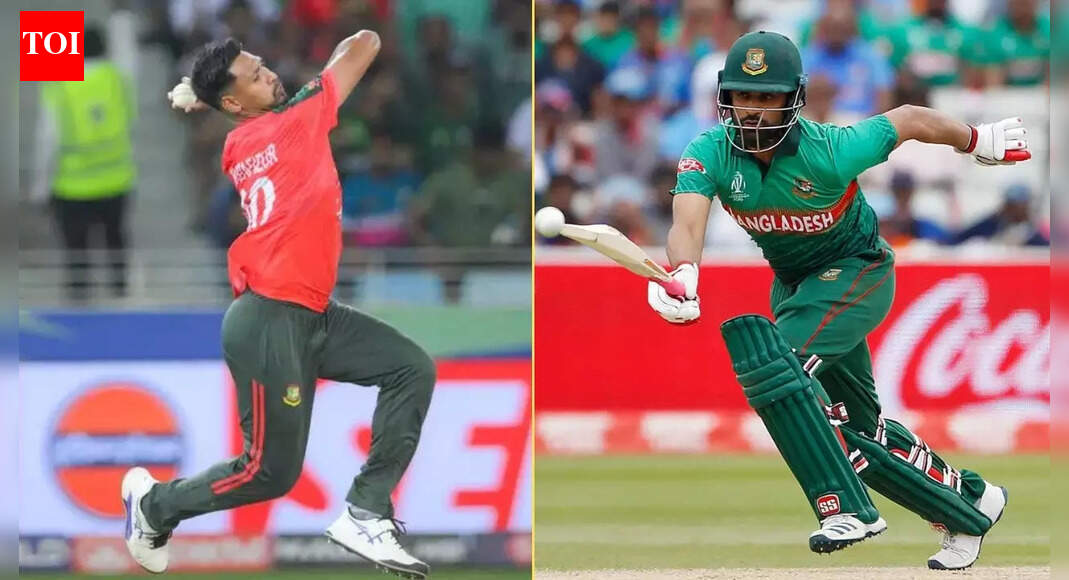
The controversy escalated sharply when Islam branded former Bangladesh captain Tamim Iqbal an “Indian agent” for advising against withdrawing from the T20 World Cup. The comment was viewed by players as not only defamatory but also an attempt to politicise cricket and question the patriotism of senior cricketers.
How did players respond?
The Cricketers’ Welfare Association of Bangladesh (CWAB) issued a call for a boycott of all forms of cricket unless Nazmul Islam resigns from the BCB board. The demand is unequivocal: stripping him of committee roles is not acceptable; only his complete exit from the board will suffice.
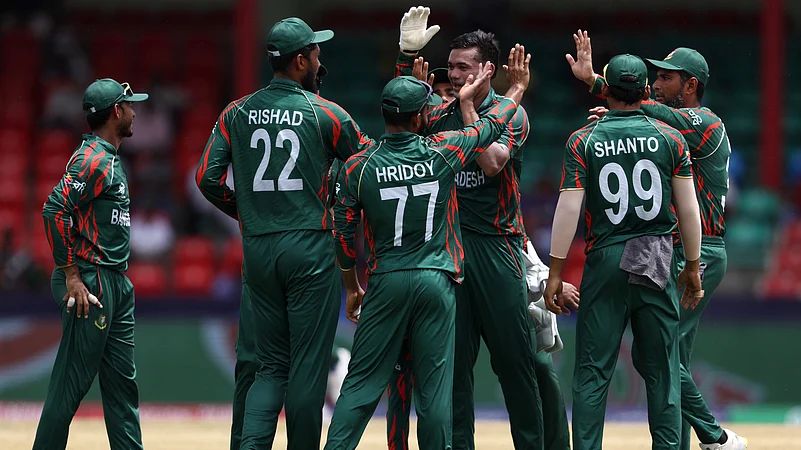
CWAB president Mohammad Mithun, along with national Test captain Najmul Hossain Shanto and senior player Nurul Hasan Sohan, emerged as the public face of the players’ stand. Their position reflects broad unity within the dressing rooms, with reports suggesting that players across franchises are aligned.
What has the BCB done so far?
In an attempt to contain the fallout, the BCB issued a show-cause notice to Nazmul Islam, asking him to submit a written explanation within 48 hours. The board said formal disciplinary proceedings had been initiated and that the matter would be handled “through due process.”
Behind the scenes, the BCB also held an emergency late-night meeting with CWAB representatives at a Dhaka hotel. Director Iftekhar Rahman Mithu represented the board during talks. As a compromise, the BCB reportedly offered to remove Islam as chairman of its Finance Committee.
That proposal was immediately rejected by the players.
Why is the standoff so hard to resolve?
The crisis has now entered a legal and constitutional impasse. According to BCB officials, the board’s constitution makes it extremely difficult to remove a director unless the individual voluntarily resigns. In other words, even if the board leadership wants Nazmul Islam out, it lacks a straightforward mechanism to force his removal.
This constitutional constraint has left the BCB with limited options: pursue a slow disciplinary process, negotiate a voluntary resignation, or risk prolonged disruption to domestic cricket.
What is the impact on domestic cricket?
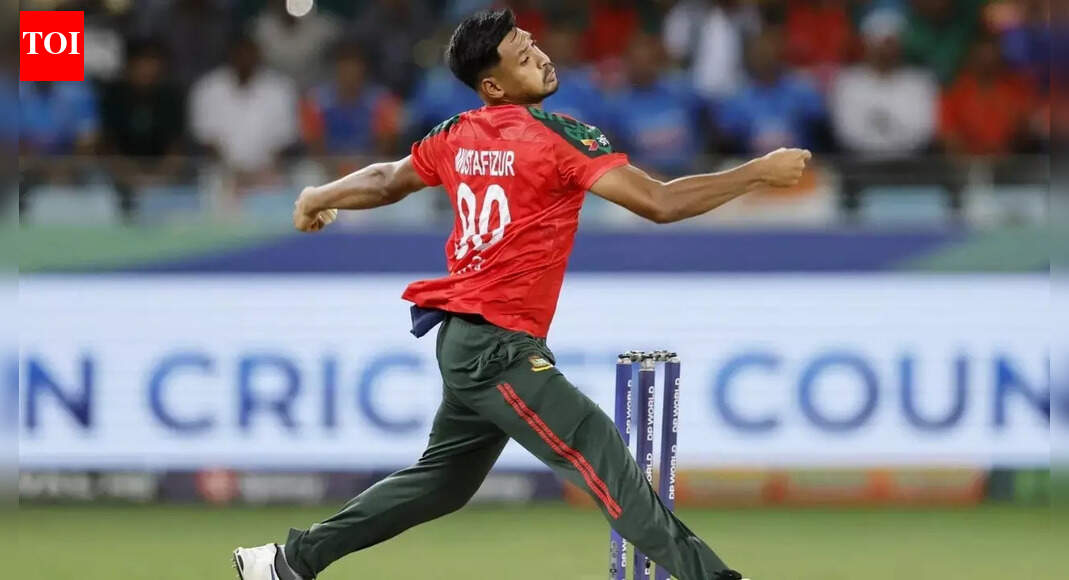
The fallout is already visible on the ground. Bangladesh Premier League matches have been delayed, with teams failing to arrive at venues even close to the scheduled start times. A Chattogram Royals official admitted that the situation is “extremely complex” and that match uncertainty remains high.
Players from franchises such as Noakhali Express have reportedly stayed back at their hotels, awaiting communication from the BCB. Sparse crowds and deserted stadiums have underlined the seriousness of the boycott.
Match officials, too, have been left in the dark. “We are standing in the middle of the ground. We don’t know what’s happening,” said match referee Shipar Ahmed, reflecting the administrative paralysis.
The Dhaka Cricket League has also been affected, with matches failing to start on schedule.
What happens next?
CWAB leaders are expected to formally present their list of demands at a press conference, with Nazmul Islam’s immediate resignation at the top. Unless that demand is met, players have indicated they are prepared to continue the boycott indefinitely.
For the BCB, the crisis has become a test of governance credibility. How it navigates the constitutional limitations, player trust deficit, and public scrutiny will shape not just the immediate fate of the BPL, but the long-term relationship between Bangladesh’s cricketers and its administrators.
At stake is not merely a domestic tournament, but the institutional authority of the BCB itself.