What does BNP’s Tarique Rahman becoming Bangladeshi PM mean for India? Read how ‘lesser evil’ phenomenon may mean improved relations and a more ‘workable’ neighbour
After one and a half years of the interim government led by Chief Advisor Muhammad Yunus, Bangladesh will finally have a democratically elected government. Bangladesh Nationalist Party is set to form the government after a decisive win at the national elections held on 12 February 2026. Former PM Khaled Zia’s son, Tarique Rahma,n will become the prime minister, who returned to Bangladesh just weeks before the election after a long exile in the UK. With results for 297 out of 299 seats declared, the Bangladesh Nationalist Party (BNP) has secured a sweeping landslide, clinching a two-thirds majority in the 300-seat Jatiya Sangsad. As per the latest numbers, BNP and its allies are winning over 210 seats, while the main opposition, the Jamaat-e-Islami-led 11-party alliance, is set to manage around 70 seats. BNP chairman Tarique Rahman, who returned from 17 years in UK exile in December 2025, won both seats he contested (Dhaka-17 and Bogura-6) and is now set to be sworn in as the next Prime Minister, likely as early as this weekend. The BNP has already called for nationwide prayers of gratitude instead of victory celebrations, signalling a return to power after two decades in the opposition. The election results are important for neighbouring India, as it is closely tied to India’s security. A chorus of scepticism is already rising in India over the results. People are cautioning that India has reasons to worry with BNP in power, given the party’s anti-India history. When Khaleda Zia was the prime minister of Bangladesh, the country had become a safe haven for separatist forces in North-Eastern India, most notably the ULFA. It is alleged that during BNP’s 2001-2006 stint in power, the party turned a blind eye to massive arms hauls destined for India. The party also presided over a coalition that tolerated anti-India rhetoric and violence against minorities. BNP ruling Bangladesh was a low point in bilateral ties with India, marked by border skirmishes, smuggling, and a tilt toward Pakistan. The ties improved significantly after the Awami League won the elections and Sheikh Hasina became the prime minister. Indian separatist groups were evicted, forcing them to move to Myanmar and other places in the region. Bilateral trade also thrived under the Hasina government. Therefore, it is correct that BNP forming the Bangladesh government is not very good news for India; however, it is the best outcome of the results from India’s perspective. There were only two possible outcomes of these elections, and the actual outcome is definitely much better. The Awami League, India’s most reliable partner for over a decade, was banned from the polls. The contest was between just two fronts: the BNP and a Jamaat-e-Islami-led 11-party alliance. The latter is a coalition heavy on Islamists, Jamaat itself, Bangladesh Khelafat Majlis, Khelafat Majlis, Bangladesh Khilafat Andolan, Nizam-e-Islam Party, and student radicals rebranded as the National Citizen Party, among others. Many of the parties in the alliance have Islamic ideologies with goals of establishing an Islamic state run according to Sharia. Jamaat opposed Bangladesh’s very creation in 1971, aligning with Pakistan’s genocidal campaign. It has long been an advocate of radical ideology, with roots in the vision of Sharia supremacy and a soft spot for Islamabad. The organisation was banned and was not allowed to contest elections, which were revoked after the fall of the Hasina govt. A Jamaat-led government would have been a strategic nightmare for India. It would have meant a Dhaka tilting hard toward Pakistan and China, spreading terror networks to India through the porous border, escalating attacks on Hindus and other minorities, disputes over water-sharing and other issues, and a general “India Out” hysteria. Under Jamaat, the Bay of Bengal would tilt further into Beijing’s grasp, with Pakistan gaining a proxy entry to the region. Radical Islam on India’s eastern front, fuelled by the same forces that run Pakistan and destabilised Afghanistan and Myanmar, would export instability straight into West Bengal, Assam, and the entire country. The BNP, for all its flaws, is different. It is a nationalist party, not theocratic. The party, with its experience in governance, is expected to be pragmatic enough to recognise that Bangladesh’s economy cannot thrive in isolation from India. In short, BNP’s win may not be positive for India, but Jamaat’s loss is a big positive from the Indian point of view. Moreover, Tarique Rahman has given some encouraging signals. His “Bangladesh First” policy emphasises equidistance from big powers, but not direct hostility. In recent weeks, he has spoken of “mutual respect” and economic partnerships, a far cry from openly anti-India campaigns during the Yunus-led interim government. Another important fact is New Delhi’s diplomacy and proactive action, as the government didn’t sit idle during the turmoil in Bang
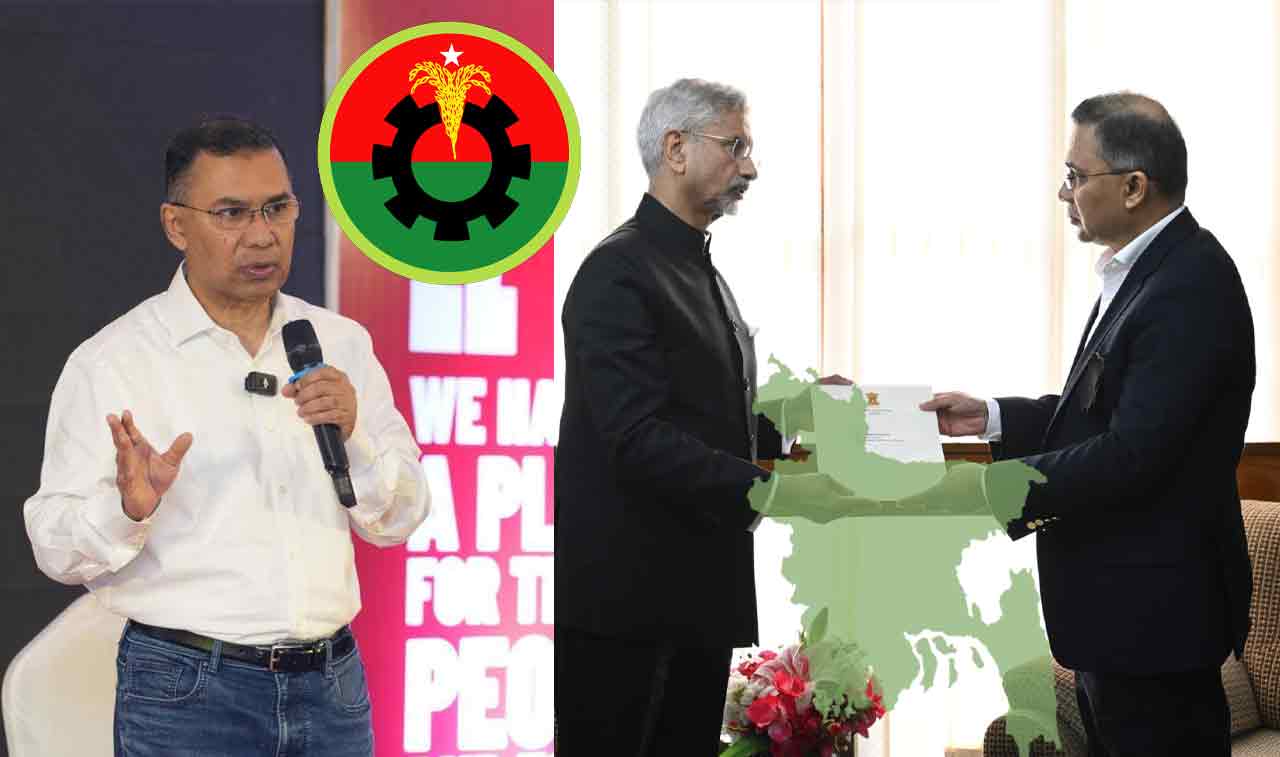

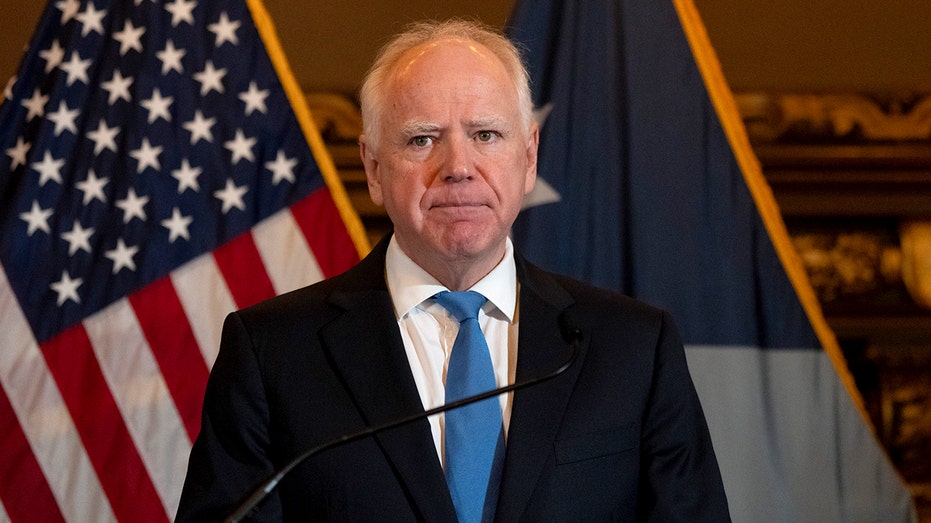
After one and a half years of the interim government led by Chief Advisor Muhammad Yunus, Bangladesh will finally have a democratically elected government. Bangladesh Nationalist Party is set to form the government after a decisive win at the national elections held on 12 February 2026. Former PM Khaled Zia’s son, Tarique Rahma,n will become the prime minister, who returned to Bangladesh just weeks before the election after a long exile in the UK.
With results for 297 out of 299 seats declared, the Bangladesh Nationalist Party (BNP) has secured a sweeping landslide, clinching a two-thirds majority in the 300-seat Jatiya Sangsad. As per the latest numbers, BNP and its allies are winning over 210 seats, while the main opposition, the Jamaat-e-Islami-led 11-party alliance, is set to manage around 70 seats.
BNP chairman Tarique Rahman, who returned from 17 years in UK exile in December 2025, won both seats he contested (Dhaka-17 and Bogura-6) and is now set to be sworn in as the next Prime Minister, likely as early as this weekend. The BNP has already called for nationwide prayers of gratitude instead of victory celebrations, signalling a return to power after two decades in the opposition.
The election results are important for neighbouring India, as it is closely tied to India’s security. A chorus of scepticism is already rising in India over the results. People are cautioning that India has reasons to worry with BNP in power, given the party’s anti-India history. When Khaleda Zia was the prime minister of Bangladesh, the country had become a safe haven for separatist forces in North-Eastern India, most notably the ULFA. It is alleged that during BNP’s 2001-2006 stint in power, the party turned a blind eye to massive arms hauls destined for India. The party also presided over a coalition that tolerated anti-India rhetoric and violence against minorities.
BNP ruling Bangladesh was a low point in bilateral ties with India, marked by border skirmishes, smuggling, and a tilt toward Pakistan. The ties improved significantly after the Awami League won the elections and Sheikh Hasina became the prime minister. Indian separatist groups were evicted, forcing them to move to Myanmar and other places in the region. Bilateral trade also thrived under the Hasina government.
Therefore, it is correct that BNP forming the Bangladesh government is not very good news for India; however, it is the best outcome of the results from India’s perspective. There were only two possible outcomes of these elections, and the actual outcome is definitely much better.
The Awami League, India’s most reliable partner for over a decade, was banned from the polls. The contest was between just two fronts: the BNP and a Jamaat-e-Islami-led 11-party alliance. The latter is a coalition heavy on Islamists, Jamaat itself, Bangladesh Khelafat Majlis, Khelafat Majlis, Bangladesh Khilafat Andolan, Nizam-e-Islam Party, and student radicals rebranded as the National Citizen Party, among others. Many of the parties in the alliance have Islamic ideologies with goals of establishing an Islamic state run according to Sharia.
Jamaat opposed Bangladesh’s very creation in 1971, aligning with Pakistan’s genocidal campaign. It has long been an advocate of radical ideology, with roots in the vision of Sharia supremacy and a soft spot for Islamabad. The organisation was banned and was not allowed to contest elections, which were revoked after the fall of the Hasina govt.
A Jamaat-led government would have been a strategic nightmare for India. It would have meant a Dhaka tilting hard toward Pakistan and China, spreading terror networks to India through the porous border, escalating attacks on Hindus and other minorities, disputes over water-sharing and other issues, and a general “India Out” hysteria. Under Jamaat, the Bay of Bengal would tilt further into Beijing’s grasp, with Pakistan gaining a proxy entry to the region.
Radical Islam on India’s eastern front, fuelled by the same forces that run Pakistan and destabilised Afghanistan and Myanmar, would export instability straight into West Bengal, Assam, and the entire country.
The BNP, for all its flaws, is different. It is a nationalist party, not theocratic. The party, with its experience in governance, is expected to be pragmatic enough to recognise that Bangladesh’s economy cannot thrive in isolation from India.
In short, BNP’s win may not be positive for India, but Jamaat’s loss is a big positive from the Indian point of view.
Moreover, Tarique Rahman has given some encouraging signals. His “Bangladesh First” policy emphasises equidistance from big powers, but not direct hostility. In recent weeks, he has spoken of “mutual respect” and economic partnerships, a far cry from openly anti-India campaigns during the Yunus-led interim government.
Another important fact is New Delhi’s diplomacy and proactive action, as the government didn’t sit idle during the turmoil in Bangladesh. After Tarique returned from 17 years in UK exile in December 2025, India quickly moved ahead to connect with him. External Affairs Minister S. Jaishankar visited Dhaka to offer condolences on Khaleda Zia’s death. The minister met Tarirque during the visit and delivered a personal letter from Prime Minister Modi.
On arrival in Dhaka, met with Mr Tarique Rahman @trahmanbnp, Acting Chairman of BNP and son of former PM of Bangladesh Begum Khaleda Zia.
— Dr. S. Jaishankar (@DrSJaishankar) December 31, 2025
Handed over to him a personal letter from Prime Minister @narendramodi.
Conveyed deepest condolences on behalf of the Government and… pic.twitter.com/xXNwJsRTmZ
India gave a clear signal, while we have sheltered Sheikh Hasina, we are ready to work with the new govt in Bangladesh. And after it became clear that BNP would win the elections, PM Narendra Modi didn’t delay in congratulating Tarique Rahman and BNP, he didn’t wait for the official results to be out.
Therefore, while BNP’s past makes it an unreliable partner for India, it is the new reality, and the much better outcome, as the alternative was an Islamist bloc that could have dragged Bangladesh into the Pakistan-China axis, escalating anti-India hostilities. Moreover, the National Citizen Party formed by students who threw out the Hasina government didn’t perform well in the elections. It was part of the coalition led the Jamaat, and contested in 30 seats, but won only 6. As NCP is openly anti-India, its dismal performance is positive for India.
Another important point is that Bangladeshi voters have given a clear mandate to the BNP with a massive majority, and the party is not dependent on any coalition partner. A stable BNP govt potentially means better border security with better coordination against smuggling and infiltration.
India-Bangladesh ties can now move ahead, with the resumption of talks on various issues, including Teesta waters, connectivity via the India-Bangladesh-Myanmar-Thailand highway, and bilateral trade. It can also be expected that Dhaka won’t become a full-fledged “string of pearls” outpost of China under the BNP.
However, the relations will still be linked to Sheikh Hasina’s shelter in India. If BNP presses on for her return, she has been sentenced to death by the International Crimes Tribunal of Bangladesh for ‘crimes against humanity’, the relationship will be complicated, and the ball will be in the Indian court. Before the elections, BNP, along with other parties, had urged India to hand her over to Bangladesh.
The new govt will have its plate full after taking the oath, and Sheikh Hasina will not be at the top of the priority list. As the Bangladeshi voters have accepted the referendum for the July Charter, the new government and the parliament will have to implement the charter in first 150 days. This includes the establishment of a new upper house and several other institutional changes that will require substantial changes to the constitution.